
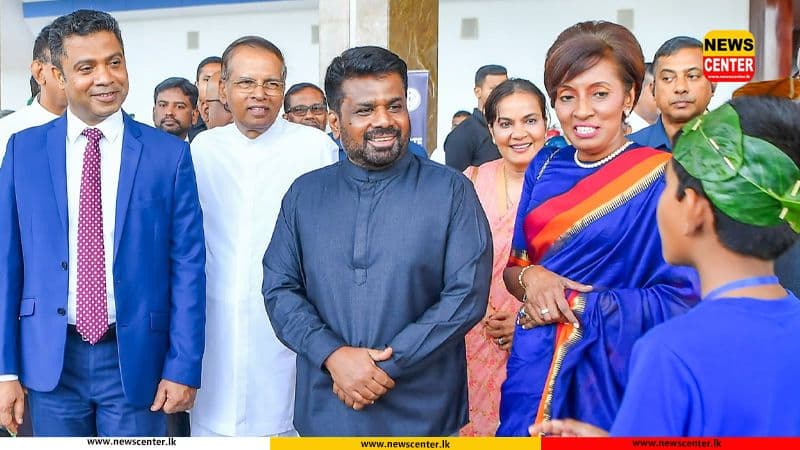
The centenary celebration of Sri Lanka’s Public Health Service was held this morning (21) at the Bandaranaike Memorial International Conference Hall (BMICH) in Colombo, under the patronage of President Anura Kumara Dissanayake.
Sri Lanka’s Public Health Service began with the establishment of the Kalutara National Health Unit in 1926 as the first field health unit in the South Asian region. Today, the Public Health Service has developed into an extensive network comprising more than 362 Medical Officer of Health (MOH) divisions, with public health teams forming the backbone of the service.
Field officers, including Medical Officers of Health (MOHs), Public Health Midwives (PHMs) and Public Health Inspectors (PHIs), play a significant role within these teams. By establishing direct links with communities and earning public trust, they contribute towards transformative change in the healthcare system.
At the commemorative event, organised by the College of Community Physicians of Sri Lanka, 36 community health professional groups that have rendered outstanding service towards the advancement of primary healthcare in the country over the past century were recognised.
Several publications were also launched under the patronage of the President, including a centenary commemorative publication and a White Paper outlining the future direction of Sri Lanka’s community health service.
Addressing the gathering, Minister of Health and Mass Media Dr Nalinda Jayatissa stated that the Public Health Service is a sector with a proud history, a trusted present and a promising future.
The Minister pointed out that interventions in maternal healthcare had enabled the country to reduce maternal deaths from 2,500 to as low as 25. Infant mortality, which had previously stood at around 200 per 1,000 live births, had been reduced to between five and six, while malaria had been eliminated in a country where the disease had once claimed 100,000 lives.
The Minister stated that these achievements alone demonstrate the extent of Sri Lanka’s progress in community healthcare. He further noted that Sri Lanka had developed its own distinctive model demonstrating how effectively a lower- and middle-income country could advance community healthcare while maintaining high standards of quality.
Noting that these significant achievements had been made possible by the dedicated efforts of healthcare personnel, the Minister expressed his appreciation for their contribution. He also gratefully acknowledged the immense commitment demonstrated by community health personnel during all recent epidemics and disaster situations.
Speaking at the event, World Health Organization Representative Dr Rajesh Sambhajirao Pandav, who is serving as the United Nations Resident Coordinator in Sri Lanka, pointed out that sustaining past successes alone would not be sufficient as the country prepares for the next century. He noted that Sri Lanka’s healthcare needs are changing rapidly, with new challenges emerging from non communicable diseases, an ageing population, mental health needs, climate-related risks and epidemics.
Dr Pandav further pointed out that non-communicable diseases are increasing due to factors such as unhealthy dietary patterns, physical inactivity and alcohol consumption, adding that these risks do not occur in isolation but are shaped by social, economic and environmental factors.
He further stated that the United Nations and development partners remain committed to supporting Sri Lanka in ensuring sustainable development and the well-being of its people. Commending the proud century-long journey of the Public Health Service, he extended his best wishes for a transformative path forward.
Addressing the gathering, Secretary to the Ministry of Health and Mass Media, Consultant Dr Anil Jasinghe, stated that the Arogya Programme launched by the present Government provides a clear vision for the future advancement of the community health sector.
He noted that although concerns had previously been raised over insufficient investment in community healthcare, community health has been accorded the highest priority under the Arogya Programme. He added that this reflects a transformation of the country’s healthcare system, greater equity and the efficient use of technology.
Director General of Health Services Dr Asela Gunawardena, President of the College of Community Physicians of Sri Lanka, Consultant Dr Vindya Kumarapeli and President of the Sarvodaya Movement, Consultant Community Physician Dr Vinya Ariyaratne also addressed the gathering.
Former President Maithripala Sirisena; Minister of Youth Affairs and Sports Sunil Kumara Gamage; Deputy Minister of Education and Higher Education Dr Madhura Senevirathna; Ministers and Members of Parliament; Ministry Secretaries and other government officials; Deputy Directors General of Health Services; Provincial Directors of Health Services; Regional Directors of Health Services; Secretary of the College of Community Physicians of Sri Lanka Santhushya Fernando; community medicine specialists and officials; and representatives of international organisations, including the World Health Organization, the United Nations and UNICEF, were also present. (PMD)
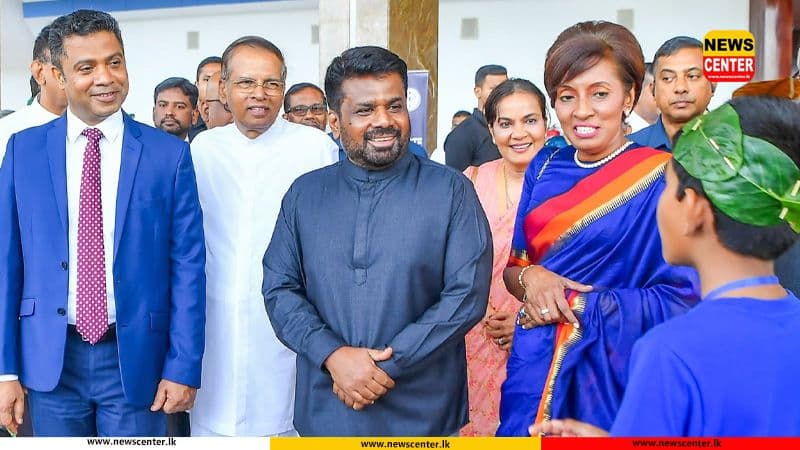
The centenary celebration of Sri Lanka’s Public Health Service was held this morning (21) at the Bandaranaike Memorial International Conference...
about 4 hours ago

Sri Lanka’s overall inflation rate, as measured by the National Consumer Price Index (NCPI) on a year-on-year (YoY) basis, increased...
about 8 hours ago
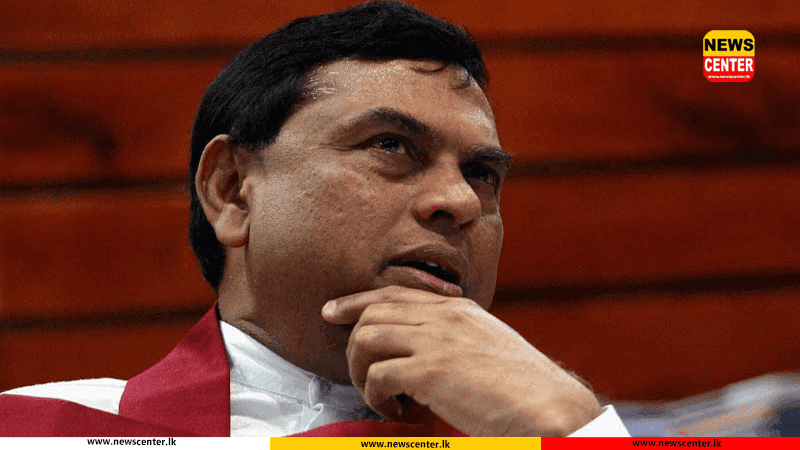
Matara Chief Magistrate Chathura Dissanayake today (21) reissued the arrest warrant for former Minister Basil Rajapaksa after he failed to...
Featuredabout 8 hours ago
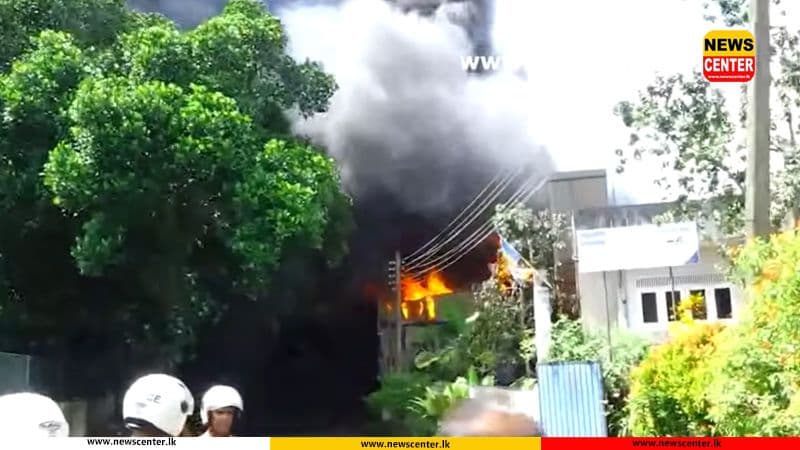
Five individuals have reportedly died after a fire broke out at a helmet manufacturing factory located in the Katuwana Industrial...
about 10 hours ago
The Opposition MPs today (21) handed over a no-confidence motion against Justice Minister Harshana Nanayakkara to the Speaker of Parliament...
Featuredabout 11 hours ago
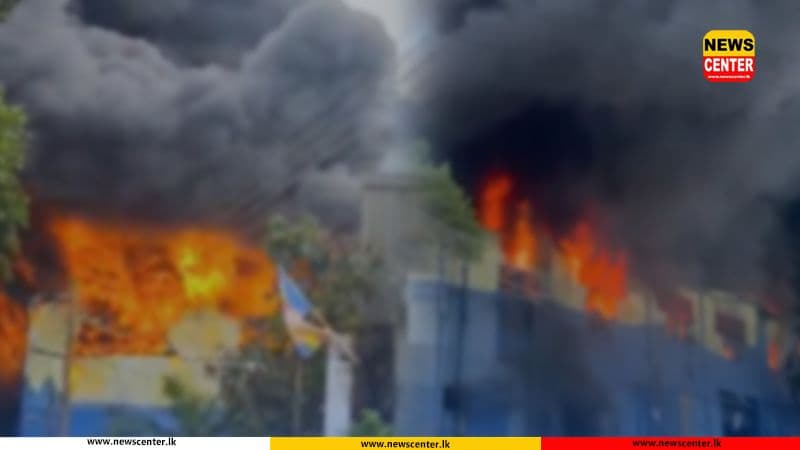
A fire has reportedly broken out at a helmet manufacturing factory located in the Katuwana Industrial Zone in Homagama, earlier...
about 13 hours ago

SriLankan Airlines has temporarily suspended its flight operations to Kuwait due to the escalating war situation in the Middle East,...
about 14 hours ago